



My nephew asked me last week why the sky turns orange during sunset. Before I could launch into an explanation about light waves and atmospheric scattering, he’d already lost interest and wandered off to play with his toys.
Two days later, he spent forty minutes painting a solar system diy craft kit for kids, carefully mixing colours to get Jupiter’s swirls just right. When he finished, he asked, “Why is Jupiter so big compared to Earth?” and actually listened to the answer. Not because I’d suddenly become better at explaining—but because he was invested. He’d just spent time creating it, so now he wanted to understand it.
That’s when something clicked for me. We keep trying to teach kids science through textbooks and lectures, wondering why they zone out. But hand them something they can build, paint, or create? Suddenly they’re asking questions we couldn’t get them to care about five minutes earlier.
This is what people mean when they talk about STEM learning through art. It’s not about making science “fun” with some gimmicky craft. It’s about using creativity as a doorway to genuine curiosity.
Why Traditional Science Teaching Misses the Mark Sometimes
Here’s an uncomfortable truth: most kids find science class boring.
Not because science itself is boring—science is literally everything around us, and kids are natural scientists. Watch any toddler and you’ll see a tiny researcher testing hypotheses all day long. What happens if I drop this? What does this taste like? How loud can I scream in this hallway?
Somewhere between that toddler phase and middle school, we manage to kill that curiosity. We hand them textbooks. We make them memorize facts for tests. We tell them about photosynthesis without ever letting them watch a seed actually grow.
The problem isn’t the kids. The problem is we’re teaching them abstract concepts without giving them anything concrete to hold onto.
Think about how you learned to cook. Did someone hand you a recipe book and expect you to understand techniques by reading? Or did you actually get into the kitchen, mess up a few dishes, and figure out why certain things work through trial and error?
Kids learn the same way. They need to touch things, build things, see concepts in action. That’s where DIY kits for kids come in—not as a replacement for proper science education, but as the bridge that makes those abstract concepts real.
What STEM Through Art Actually Looks Like
When people hear “STEM learning through art,” they sometimes picture elaborate school projects or expensive equipment. But it can be much simpler than that.
Take a basic ocean world diy craft kit for kids. It’s got wooden sea creatures—fish, dolphins, starfish, maybe a whale. A child sits down to paint them. Seems straightforward enough, right?
But here’s what’s actually happening:
They’re learning about marine biodiversity just by seeing the variety of creatures in one kit. They start asking questions. Why do fish have different shapes? How does a dolphin breathe if it lives in water? Why are starfish called stars when they don’t light up?
When they paint the creatures different colours, they’re exploring camouflage concepts without realizing it. “Should the fish be bright blue or darker blue?” leads to conversations about which fish hide and which ones don’t need to.
They’re developing fine motor skills and hand-eye coordination—crucial for later activities like using microscopes or handling lab equipment. They’re practicing following sequential steps, which is basically the scientific method in miniature: observe the design, plan your approach, execute, evaluate the result.
My friend’s daughter did a transport-themed DIY kit for kids with helicopters, trains, and cars. By the time she finished painting all twelve vehicles, she wanted to know how helicopters fly without wings, why trains need tracks, how engines work. The kit didn’t teach her those things directly—but it made her care enough to ask.
That’s the magic. The diy craft product creates curiosity. Curiosity drives the learning.
The Brain Science Behind Hands-On Learning
There’s actual research backing this up, not just anecdotal evidence from parents who’ve noticed their kids suddenly caring about science.
When children engage in hands-on creative activities, multiple areas of their brain activate simultaneously. They’re using visual processing, motor skills, planning, and problem-solving all at once. This multi-sensory engagement creates stronger neural pathways than passive learning ever could.
Dr. Maria Montessori figured this out over a century ago. Her entire educational philosophy was built on the idea that children learn through doing, not just listening. Modern neuroscience has proven her right.
There’s also something called “embodied cognition”—basically, the idea that we understand concepts better when we physically interact with them. You don’t truly understand “sphere” by reading a definition. You understand it by holding a ball, rolling it, seeing how it moves differently than a cube.
When a child builds a 3D model of the solar system, they’re not just memorizing planet names. They’re understanding scale, distance, orbital mechanics—not through equations, but through physically arranging objects in space.
The art component matters too. Choosing colours, deciding on details, making the project uniquely theirs—this emotional investment makes the learning stick. You remember things better when you have emotional connections to them.
Why DIY Kits Work Better Than Random Materials (Sometimes)
I know the conventional wisdom says kids should have unlimited supplies and complete creative freedom. And yes, there’s value in that. But for STEM learning specifically, structured kits often work better.
Here’s why: when you hand a seven-year-old a pile of craft supplies and say “make something about space,” they usually freeze. Too many options. No clear starting point. They might make something, or they might just stick googly eyes on random objects and call it done.
Give that same child a solar system kit for kids with pre-marked mdf cutout planets, and they have a framework. They know they’re building the solar system. The question becomes: how will I make it? What colours? What details?
That structure frees their brain to actually think about the science. They’re not overwhelmed by infinite choices—they can focus on learning about the planets while creating.
Plus, good STEM-focused DIY kits for kids are designed with accuracy in mind. The planets are in the right relative positions. The dinosaurs actually look like real species. The human body parts are anatomically reasonable. Kids are learning correct information while they create, not reinforcing misconceptions.
Real Examples from Real Parents
Anjali from Mumbai told me about her eight-year-old son who struggled with understanding the concept of ecosystems. They’d tried books, videos, even a museum trip. Nothing stuck.
Then she got him an animal habitat kit—wooden animals from different environments: jungle, desert, ocean, Arctic. As he painted each animal, she’d casually ask where it lived, what it ate, why it had those specific features. By the time he finished, he understood ecosystems not because she’d explained it again, but because he’d spent hours thinking about how each animal fit into its world.
Another parent mentioned her daughter with dyscalculia—she struggles with abstract numbers. But when they did a DIY craft kit involving symmetry (butterflies, mandalas, that kind of thing), she got it. She could see symmetry, create it, understand it in a way that made sense to her brain.
These aren’t miracle cures. DIY kits won’t fix learning disabilities or replace good teaching. But they can open doors that traditional methods sometimes leave closed.
Age-Appropriate STEM Through Different Kits
The beauty of STEM-focused craft kits is that they work for almost any age, you just need to match complexity to capability.
For the younger kids—say ages four to seven—simple DIY Kits for kids ages 6 to 9 years work best. Animals, basic vehicles, solar system with the main planets. They’re not ready for detailed explanations of quantum physics, but they’re absorbing foundational concepts. Big and small. Fast and slow. Living and non-living. Carnivore and herbivore.
My neighbour’s five-year-old did a wild animals DIY kit. She learned more about animal classification from painting twelve different species than from any children’s book they’d read. She wanted to know which ones were mammals, which laid eggs, which were endangered. The craft made her curious.
Elementary kids (eight to ten) can handle more complexity. This is when you can introduce kits about human anatomy, detailed ecosystems, how machines work and many more kits available for the age 10 -14 years kids. They’re ready for slightly deeper concepts, and if the kit is engaging enough, they’ll pursue that knowledge on their own.
Preteens and teens need kits that don’t feel babyish but still offer genuine learning. There are DIY kits now that involve actual engineering principles, basic robotics, chemistry through art. The key is finding ones that challenge them without frustrating them.
The Questions That Matter More Than the Craft Itself
Here’s something I’ve noticed: the craft is almost never the most important part. The conversations that happen during the craft—that’s where the real learning happens.
When a child is painting a wooden dinosaur, that’s your opening. “Did you know some dinosaurs had feathers?” Not as a lecture, just as a comment. See if they bite. If they do, you’re off. If they don’t, leave it alone and try again later.
The DIY craft Kits keeps their hands busy, which somehow makes their brain more receptive. There’s something about not having to make eye contact, about having a shared activity, that makes kids more willing to engage with new information.
I’ve had better science conversations with my nephew while we painted transport vehicles than I’ve ever had trying to “teach” him something directly. He wanted to know how helicopters work. Why boats float. Whether electric trains are faster than diesel ones. All questions I couldn’t have gotten him to care about otherwise.
The trick is staying casual. Answer their questions but don’t turn it into a lesson. The moment it feels like school, they’ll check out. Keep it conversational. Keep it fun.
Making STEM Learning Stick Beyond the Kit
The best part about using craft kits for STEM learning is what happens after the kit is finished.
That solar system mobile hangs in their room. They look at it every day. It’s not just decoration—it’s a reminder of what they learned. When they hear about Mars in the news, they remember painting that reddish planet. When someone mentions Saturn, they think about how they made those rings.
The wooden animals they painted become toys they play with, which means they keep engaging with those concepts. The dinosaurs become part of imaginative play, which reinforces what they learned about different species.
This is why physical crafts matter in an age of digital everything. You can’t hang a video on your wall. You can’t play with an app in the same way. But that thing they made with their own hands? That stays with them.
Getting Started Without Overthinking It
If you’re thinking this sounds good but you’re not sure where to begin, here’s my advice: start with whatever your child is already curious about.
Space kid? Solar system kit. Loves animals? Pick any animal-themed diy kits. Obsessed with how things move? Transport or vehicles.
The topic matters less than the interest level. A child who loves what they’re making will naturally ask questions about it. A child forced to do an “educational” kit about something boring to them learns nothing except that learning is tedious.
Look for kits that are accurate but not overly complex. You want them to learn real information, but you don’t want them overwhelmed by details they can’t grasp yet.
Everything should be included in the box. Nothing kills momentum like realizing you need supplies you don’t have. Good kits come with pre-marked pieces, paints, brushes, everything ready to go.
And please, don’t stress about doing everything perfectly. If your child paints the ocean animals unrealistic colours, that’s fine. The point isn’t perfect scientific accuracy—the point is engagement with the concepts. You can gently mention real colours without crushing their creativity.
The Bigger Picture
Here’s what I’ve come to realize after watching various kids interact with STEM-focused craft kits: we’ve been thinking about science education backwards.
We try to make kids interested in science by teaching it to them. But interest doesn’t work that way. Interest comes from curiosity, and curiosity comes from engagement.
Give a child something to build, paint, or create that connects to STEM concepts, and you’re not teaching them science. You’re giving them a reason to want to learn it themselves.
That’s completely different. And it’s so much more powerful.
The craft kit isn’t the education. It’s the spark. What comes after—the questions, the conversations, the continued curiosity—that’s the real learning. The kit just makes them care enough to pay attention.
Frequently Asked Questions
Are STEM craft kits actually educational or just marketing?
Depends on the kit honestly. Good ones are designed with actual learning principles in mind—accurate information, age-appropriate complexity, concepts worth understanding. Cheap ones are sometimes just random crafts with “STEM” slapped on the box. Look for kits that represent real science accurately. If a solar system kit has planets in the wrong order, it’s not educational, it’s just misleading. Read reviews from other parents, check if the designs make sense, and trust your instinct.
My child just wants to paint, not learn about science. Does it still work?
Absolutely. The learning happens whether they’re intentionally trying or not. When they paint ocean animals, they’re seeing biodiversity. When they work on a transport kit, they’re noticing how different vehicles work differently. The questions come naturally, usually after the painting is done. Don’t force the learning part—let the craft create the curiosity, then answer questions when they ask. That’s actually more effective than trying to turn it into a formal lesson.
What age is best for STEM-focused craft kits?
You can start as young as four with really simple ones—basic animals, large wooden pieces, simple concepts. The sweet spot is probably ages six to twelve when they’re curious but not yet too cool for crafts. That said, I’ve seen thirteen-year-olds get completely absorbed in engineering-focused kits if the topic interests them. Match the complexity to your child’s capability, not just their age. A curious six-year-old might handle more than a disinterested nine-year-old.
Do these kits work for kids who struggle in traditional school?
Often yes, because they’re learning through a completely different pathway. Kids with dyslexia, ADHD, or other learning differences often grasp concepts better through hands-on creation than through reading or listening. The multi-sensory engagement helps information stick. But they’re not a replacement for proper educational support if that’s needed. Think of them as a supplementary tool that might reach kids in ways traditional teaching doesn’t.
How do I choose between different STEM topics?
Follow your child’s existing interests first, always. If they love dinosaurs, get a prehistoric animals kit. Space enthusiast? Solar system. Loves watching construction vehicles? Transport themed sets. The STEM learning happens regardless of topic, so pick whatever will keep them engaged. A child excited about the subject will absorb ten times more than one forced to work on something “more educational” that bores them to tears.
Last Sunday, I watched my neighbour’s daughter sit at their dining table for nearly an hour—no phone in sight, no YouTube playing in the background. Just her, some wooden animal cutouts, and a set of paints. She was completely lost in what she was doing, tongue slightly sticking out as she concentrated on getting the colours just right.
When did you last see a child that absorbed in something that wasn’t a screen?
It’s getting harder, isn’t it? Our kids live in a world where waiting feels like punishment. They want the next episode now. They want answers immediately. The idea of working on something for days, watching it slowly come together—that feels almost foreign to them.
But here’s what caught my attention that Sunday afternoon: craft kits might be one of the few things left that can actually teach children to slow down. Not by forcing them or lecturing them about patience, but by making the process itself so engaging that they don’t even realize they’re learning it.
The Patience Problem We Don’t Talk About Enough
Look, I’m not going to blame iPads for everything. That would be too easy and honestly, not entirely fair.
Yes, technology plays a role. But it’s more than that. Think about how different childhood is now compared to even fifteen years ago. Back then, if you wanted to watch your favourite cartoon, you waited until it aired on Saturday morning. If you were bored, you found something to do because there wasn’t an algorithm ready to entertain you instantly.
Kids today don’t have those natural waiting periods built into their lives. Everything is optimized for speed and convenience. Which is great in many ways—but it means they’re missing out on something important.
They’re not experiencing what it feels like to want something, work toward it slowly, and finally hold the finished result in their hands. That journey—that’s where patience actually develops.
When a child picks up a DIY paint kit for kids and starts working on it, they enter a different rhythm. The first coat of paint goes on streaky. It needs to dry before they can add more. The details require a steady hand and slow, careful strokes. There’s no shortcut button. No way to skip to the end.
And weirdly enough, most kids don’t seem to mind. Once they’re into it, they accept the pace. They work within it.
What’s Actually Happening in Their Heads
I’m not a neuroscientist, but I’ve read enough to know that when children work on hands-on projects, something interesting happens in their brains.
The prefrontal cortex—that’s the part responsible for planning, controlling impulses, and staying focused—it gets a workout. Think of it like taking that part of the brain to the gym. Except instead of dreading it like adults dread actual gyms, kids actually enjoy this exercise.
Dr. Kelly Lambert did research on this. She found that when children engage in activities that require hand-eye coordination, their brains release feel-good chemicals. So while your child is carefully painting a wooden elephant, trying to stay within the lines, they’re not just creating art. They’re training their brain to focus. They’re practicing self-control without even knowing it.
The best part? It doesn’t feel like learning to them. There’s no resistance because it’s fun. They’re not sitting through a boring lesson on patience—they’re just making something cool.
Why the “Everything Included” Box Actually Matters
You might think: why not just give kids some paint and paper and let them go wild?
That works too, sometimes. Free-form creativity has its place. But if you specifically want to build patience and focus, there’s something valuable about structured kits.
When you open a DIY craft kit for kids and everything’s there—the MDF cutout pieces already marked, the exact colours needed, the right brushes, a palette for mixing—it removes a huge barrier. Kids don’t get overwhelmed trying to figure out what to make or where to start. They don’t get frustrated searching for supplies.
They can just begin.
I’ve seen this with my own kids. Give them a blank canvas and unlimited supplies, and sometimes they freeze. Too many choices. But hand them a kit with twelve animal shapes and a clear goal? They dive right in.
The structure actually frees them to focus on the process. They know they’re painting animals. The question isn’t what to make—it’s how they’ll make it theirs. Which colours will they choose? Will they mix shades? How carefully will they work on the details?
By piece number seven or eight, they’re not thinking about patience anymore. They’re just in it. Completely absorbed.
That’s the state you want them in.
The Changes You’ll Notice (But Probably Not Right Away)
I need to be honest here—one afternoon of crafting won’t transform your child into a patient, focused being. That’s not how this works.
But make it a regular thing? That’s when you start seeing shifts. Small ones at first.
Riya, a friend from Bangalore, mentioned this about her son. He has ADHD and sitting still has never been his strong suit. But after a few months of weekend craft sessions—nothing intense, just consistent—his teacher pulled her aside. “Has something changed?” the teacher asked. “He’s staying focused longer during class activities.”
Riya credits the craft kits. Not as some miracle cure, but as practice. Her son was learning, week after week, what it felt like to start something and see it through. To work when the work got a bit tedious. To persist when paint dripped where it shouldn’t have.
Another parent told me her daughter stopped having meltdowns over small mistakes. Building blocks fall? No more tears. The child had internalized something through crafting: mistakes happen, you can fix them, life goes on.
That’s resilience. That’s emotional regulation. And it came from painting wooden cutouts and learning that if you mess up, you just repaint it.
These aren’t dramatic transformations. But they’re the real ones—the ones that actually matter in daily life.
Matching Kits to Age (Because a Three-Year-Old Isn’t Going to Paint Like a Twelve-Year-Old)
Can we talk about realistic expectations for a second?
If your three-year-old sits with a craft project for ten minutes, that’s actually impressive. Don’t compare them to a twelve-year-old’s focus span and feel discouraged. Developmental stages are real, and they matter.
For the younger kids—say ages three to five—completing three or four pieces from a twelve-piece kit is completely fine. You can check DIY kits for kids age 3 to 5 years. That’s great, even. They’re not supposed to sit there for an hour. They’re learning the basics: activities have beginnings and endings. You can’t always do everything right now.
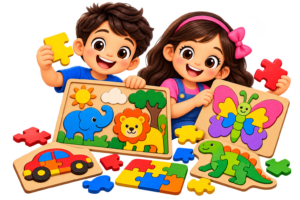
Once kids hit elementary school age, around six to ten years old, you’ll see a shift. They can handle more detail. They’ll work longer, like with DIY puzzle kits for kids. They might actually finish most of a kit in one afternoon, taking snack breaks and coming back to it.
The older ones—the preteens? They surprise you. Give them a kit with a theme they actually care about—not something babyish—and they’ll disappear into their room for hours. They’ll use different techniques, mix custom colours, and add creative touches that weren’t in the instructions.
The key is matching the complexity to where they are right now. Not where you wish they were, not where their sibling was at that age—where they are.
Actually Making This Happen in Real Life
Okay, so you’re thinking this sounds good in theory. But you’re already juggling work, school runs, homework supervision, and making sure everyone eats something resembling vegetables. How do you add “regular craft time” to that list?
Here’s the thing: it doesn’t need to be complicated.
Pick one regular slot. Maybe Sunday mornings work for your family. Maybe it’s Wednesday after school. The specific day matters less than the consistency. When kids know it’s coming, when it becomes part of the routine, they start looking forward to it. It becomes a thing you do—not a special event that requires planning.
You don’t need a craft room. A corner of the dining table works fine. Just somewhere the supplies can live and where paint spills won’t cause a family crisis.
And please, don’t feel like they need to finish an entire kit in one session. Especially with younger kids. Paint a few pieces today. Let them dry overnight. Do a few more tomorrow or next week. This actually reinforces the patience piece—good things take time, and that’s okay.
Let them pick which kit they want to work on. We keep a small basket with a few unopened ones, and the kids take turns choosing. When they’ve chosen it themselves, they’re way more invested in seeing it through.
One more thing: you don’t have to hover over them the entire time. Be available if they need help, sure. But let them struggle a bit with figuring out which brush works better, or how to mix that exact shade of green they’re imagining. That independent problem-solving? That’s part of what builds focus.
The Practical Side: Gifts, Parties, and Rainy Days
Beyond the patience and focus benefits, these DIY kits for kids are honestly just practical.
Birthday party return gifts? Instead of plastic toys that break by bedtime, craft kits give kids something to actually do. Parents appreciate it too—a gift that keeps their child occupied in a creative way? That’s gold.
Looking for a birthday gift for a friend’s child? A well-chosen DIY birthday craft kit for kids hits that sweet spot between thoughtful and useful. You’re not just adding to their toy pile; you’re giving them an experience.
And for those weekend mornings when your child announces they’re bored exactly three minutes after waking up? Having a few kits ready in the cupboard is a lifesaver. Same goes for rainy days, school holidays, or those random times when they need something to do that isn’t a screen.
Yes, It Gets Messy (And That’s Fine)
Let me not pretend otherwise—crafting with kids means accepting some mess.
You will find paint in places that defy logic. Wooden pieces will turn up weeks later in random corners. Your child’s hands will be rainbow-coloured at dinner, and they’ll probably smear paint somewhere you didn’t expect.
But you know what? The mess cleans up. The paint washes off. The scattered pieces get found.
The skills they’re building—the patience, the focus, the ability to stick with something from start to finish—those don’t wash off.
That hour you spend with your six-year-old working through an animal-themed kit like Animal World Art DIY Kit for Kids isn’t just filling time. You’re teaching them, without lectures or force, that some things are worth slowing down for. That effort pays off. That they’re capable of creating something beautiful with their own hands.
Plus, honestly? Those craft sessions often turn into the best conversations. No pressure, no eye contact required, just two people working side by side. Kids open up differently when their hands are busy.
Years from now, your child probably won’t remember the specific tablet games they played. But they might remember the afternoon you both spent painting wooden planets together, and how proud they felt hanging their solar system mobile in their room. Check this solar system art DIY kit for kids, I am sure you will love it.
That’s worth some paint on the table.
Where to Actually Start
If you’re ready to try this but feeling overwhelmed by options, here’s my advice: start simple.
Think about what your child is already interested in. Space enthusiast? Look for solar system kits. Love vehicles? Transport-themed sets work great. Check out Transport City Art and Paint DIY Kit for Kids .The interesting piece matters because genuine curiosity naturally extends their patience and focus.
Quality matters more than quantity. Look for kits with premarked designs on mdf cutout pieces—they give kids structure without being restrictive. Everything needed should be in the box: pieces, paints, brushes, palette. No hunting for supplies.
Buy one kit. See how it goes. Don’t invest in seven different ones expecting your child to work through them all systematically. That’s setting everyone up for disappointment.
Try one. If they love it, great—next time try a different theme. If it flops, maybe they’re not quite ready yet, or maybe the theme didn’t click. That’s fine too.
Remember what you’re actually doing here. You’re not training them to become professional artists. You’re giving them space to practice being patient, to learn what focus feels like, to experience finishing something they started.
Everything else is a bonus.
Frequently Asked Questions
When can my child start using craft kits?
Most kids can start around age three with supervision, though you’ll want really simple kits at that age. The kits marked for five-year-olds usually work well from about four to seven. The ones for older kids (ten to fourteen) need more patience and fine motor control.
Always check the age recommendation. And honestly, you know your child best—if they’re not ready, wait a few months and try again.
How long should these craft sessions actually be?
It depends entirely on your child. Little ones (three to five) might give you ten to fifteen minutes of genuine focus, and that’s perfect. Don’t push for more.
Elementary-age kids often get into it for thirty minutes to an hour. But here’s the key—quality beats duration every time. Fifteen minutes of real engagement is better than an hour of forced participation.
It’s completely fine to spread one project across several days. In fact, that can help reinforce patience even more.
Do craft kits work better than just giving kids random art supplies?
They work differently, and both have their place. Random supplies are amazing for free creativity and imagination.
But if you specifically want to build patience and focus, the structure of a kit helps. Kids know what they’re making, they have everything they need, and they can concentrate on creating instead of feeling overwhelmed by too many choices.
Think of kits as the foundation. Free crafting can naturally grow from there.
Can crafts really help kids who struggle with focus?
Craft kits are not a medical solution, and they don’t replace proper professional support if that’s needed. But many parents—including those with kids who have ADHD or attention challenges—notice improvements when crafting becomes a regular activity.
The combination of hands-on work, clear goals, and visible results creates a low-pressure way to practice sustained attention. Just don’t expect overnight miracles. And if you have specific concerns, it’s always wise to speak with your child’s doctor or specialist.
What should I look for in a return gift craft kit?
Keep it simple:
- Age-appropriate difficulty level
- Everything included in the box
- Safe, non-toxic materials
- A theme most kids love—animals, vehicles, space, or nature
The best return gift craft kits are ones children can complete mostly on their own, without creating extra work for parents. And make sure the packaging is sturdy and neat—no one wants to hand out a gift that looks damaged before the party even ends.
Gift-giving for kids isn’t as simple as it used to be. Ten years ago, a shiny toy or a new video game was enough to make them beam with joy. But in 2025, parents and relatives are rethinking the kind of gifts that actually matter. Here’s the thing: kids today already have enough screens, enough gadgets, and enough distractions. What they need are gifts that spark creativity, curiosity, and imagination.
And that’s where DIY kits for kids come in.
DIY kits aren’t just boxes filled with craft materials. They’re little experiences packed with fun, learning, and bonding opportunities. They make kids feel proud because what they create is theirs—not something bought, not something digital, but something made by hand.
Let’s break it down.
The Problem with Traditional Gifts
Toys break. Clothes get outgrown. Video games are forgotten as soon as the next one launches. Many parents realize that these gifts, while exciting for a moment, don’t really last.
DIY kits, on the other hand, create memories. A child will remember the day they painted their first mandala coaster or built a colorful lamp far longer than the day they received yet another plastic toy.
The Rise of DIY Kits in India
If you’ve been browsing online stores lately, you may have noticed a trend—craft boxes and DIY kits are everywhere. Families are embracing them as not just playthings, but as tools to engage children away from screens.
Parents especially in urban India are looking for creative gifts India that add value to their child’s growth. DIY kits fit perfectly into that space. They offer the joy of gifting while also being practical, skill-building, and meaningful.
Why DIY Kits Work So Well for Kids
1. They Spark Creativity
Give a child a pre-assembled toy, and they’ll play for an hour. Give them a DIY kit with paints, shapes, or beads, and you’ll see their imagination take flight. Kids love the idea that they get to choose the colors, patterns, or even how the final piece looks.
2. Screen-Free Entertainment
Let’s be honest—every parent is fighting the “screen battle.” DIY kits provide an easy solution. Instead of scrolling on a tablet, kids spend an afternoon cutting, gluing, painting, and building. It’s entertainment that feels wholesome.
3. Perfect for All Ages
DIY kits aren’t limited to toddlers. A six-year-old may enjoy simple coloring or assembling, while a twelve-year-old might love working on more detailed projects like wall hangings or jharokhas. The variety makes them a versatile choice for different age groups.
4. Builds Patience and Focus
In a world of instant gratification, patience is a rare skill. DIY projects take time. Kids learn to follow steps, wait for glue to dry, or carefully paint within the lines. These little lessons add up in real life.
5. Encourages Family Bonding
Imagine this: it’s a Sunday afternoon. The TV is off, the phones are aside, and the family is sitting around a table working on a DIY project together. That’s the kind of bonding that lasts.
Why DIY Kits Make the Best Gifts in 2025
Parents today want the best kids gifts 2025 to do more than just sit on a shelf. They’re looking for gifts that are sustainable, creative, and educational. DIY kits tick all those boxes.
- They don’t add clutter—because once the project is done, it becomes décor or a keepsake.
- They give children a sense of achievement.
- They’re budget-friendly but don’t feel “cheap.”
- And most importantly—they bring joy not just for a day, but for weeks and sometimes years.
Examples of DIY Gifts Kids Love
- Paint-your-own diya sets during festivals.
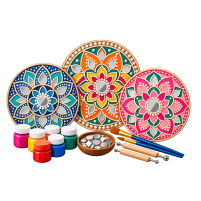
- Mandala painting kits for mindful coloring.
- DIY coasters that kids can actually use on the dining table.
- Wall hanging kits that make their room feel unique.
- Shubh Labh or festive cutouts that kids proudly hang at the entrance.
These aren’t just crafts. They’re keepsakes that hold memories.
A Small Story to Think About
Last Diwali, my niece was given two gifts: a remote-control car and a DIY coaster painting kit. The car was a hit for two days before the batteries died. The coaster kit? She proudly displayed her colorful creations at the dining table for months, telling everyone, “I made that!”
That’s the difference. One gift entertained me. The other is empowered.
How to Choose the Right DIY Kit for Kids
Not all DIY kits are equal. Here are a few tips if you’re considering one:
- Age Appropriate: Pick something simple for younger kids and slightly complex for older ones.
- Safe Materials: Non-toxic paints and child-friendly tools are a must.
- Theme: Choose something that matches the child’s interest—painting, assembling, festive crafts, or puzzles.
- Reusable or Decorative: Kits that result in usable or display-worthy items are always a hit.
The Future of Gifting is Hands-On
As we move deeper into 2025, gifting is shifting from “things” to “experiences.” Parents, uncles, aunts, and even grandparents are realizing that the most memorable gifts are the ones that do something.
DIY kits aren’t just about crafts. They’re about giving a child the tools to imagine, create, and shine.
Conclusion
So if you’re wondering what to gift a child this year, skip the predictable toys and gadgets. Go for something that builds skills, strengthens bonds, and creates memories. Go for DIY kits.
Because the truth is, years from now, kids won’t remember the brand of toy they had. But they’ll definitely remember the day they made something with their own two hands.
That’s why DIY kits for kids are not just gifts—they’re experiences wrapped in a box.
FAQs
Q1: Are DIY kits suitable for kids of all ages?
Yes, but the complexity should match the age. Simple painting or cut-and-paste kits for younger children, more detailed projects for older ones.
Q2: Do DIY kits require adult supervision?
Some do, especially if cutting or hot glue is involved. But most are designed to be safe and child-friendly.
Q3: Are DIY kits expensive?
Not at all. Many kits are priced similar to regular toys, but the value they provide in creativity and learning is far greater.
Q4: Can DIY kits be used as return gifts at parties?
Absolutely. Small DIY craft kits make thoughtful and fun return gifts for birthdays or festive gatherings.
Q5: Why are DIY kits considered better than regular toys?
Because they don’t just entertain—they teach, engage, and give children something to be proud of.
Stress. It’s that word we’ve all come to know too well. Long hours at work, constant notifications on our phones, the never-ending to-do lists—life feels like a race that rarely pauses. But here’s the thing: sometimes the solution isn’t more apps or productivity hacks. Sometimes, it’s as simple as picking up a brush, folding paper, or threading beads.
Yes, I’m talking about crafting.
Across cultures, crafting has always been more than a hobby. It’s meditation disguised as creativity. Whether it’s knitting, painting, origami, or DIY projects at home, countless people find that crafting reduces stress and opens doors to new ideas. Let’s break down why this age-old practice is becoming one of the most loved wellness trends in today’s fast-paced world.
Crafting: An Ancient Practice with Modern Benefits
Before we dive into stress relief, it’s worth remembering that crafting isn’t new. From tribal beadwork to rangoli patterns in Indian households, humans have always turned to creative expression. The difference now is that we’re rediscovering its value—not just as decoration, but as therapy.
Modern wellness experts often call it “mindful making.” And for good reason. While your hands are busy with colors, paper, or clay, your mind slows down. It’s like meditation, but without the pressure of sitting still.
Why Crafting Reduces Stress
1. The Flow State
Have you ever lost track of time while painting or doodling? That’s the flow state—a mental space where worries fade and focus sharpens. Crafting naturally pulls us there. Instead of replaying stressful thoughts, your mind zooms in on shapes, colors, and patterns.
2. Mindful Movement
Crafting involves repetitive actions—painting strokes, cutting shapes, stitching lines. These gentle movements have the same calming effect as yoga or deep breathing. They ground you in the present.
3. A Break from Screens
Let’s be honest—our eyes and minds are exhausted from endless scrolling. Crafting forces you offline. Even 30 minutes away from a screen can recharge your brain and lower anxiety levels.
4. Expression without Words
Sometimes it’s hard to explain what we feel. Art and craft provide an outlet when words fall short. Drawing, folding, or shaping something tangible becomes a way to release emotions you’ve been holding in.
How Crafting Boosts Creativity
Stress relief is just half the story. The other half is creativity.
1. Problem-Solving in Disguise
DIY projects often involve little challenges—what color looks best, how to fix a mistake, how to balance design. These “mini problems” train your brain to think differently, which spills over into daily life.
2. Connecting Dots in New Ways
When you craft, you combine colors, textures, and materials. This playful experimentation helps your brain make connections it might not in rigid work settings. Ever wonder why some of the best ideas come when you’re doodling? Now you know.
3. Confidence from Creation
Creativity isn’t just about ideas—it’s about producing something real. Even a simple handmade card gives you a sense of achievement. That confidence fuels more creative risks in other parts of life.
Crafting for Families
Parents often wonder how to get kids away from screens. Craft nights are a beautiful solution. Imagine a Sunday evening where everyone sits at the dining table—kids painting, parents folding paper lanterns, grandparents sharing rangoli patterns.
It’s more than decoration. It’s family crafts during festivals and beyond. These moments build memories, teach children patience, and remind everyone that joy doesn’t always need Wi-Fi.
Crafting for Professionals
Work stress is real. But instead of collapsing in front of Netflix after a long day, try keeping a small DIY corner at home. Five minutes of doodling or coloring before bed can act like a reset button for your mind. Many professionals say they feel more energized and even more creative at work after spending time with DIY crafts for mental health.
Crafting and Wellness
Wellness isn’t just about green smoothies and gym memberships. It’s about finding balance. For some, that’s journaling. For others, it’s meditation. And for many, it’s crafting.
Psychologists often compare art and craft for mindfulness to therapy. It lowers heart rate, calms breathing, and reduces the production of stress hormones. In short, crafting for relaxation is like giving your brain a vacation—without leaving your home.
A Small Story
A friend once told me she started making mandala art during the pandemic. “At first, it was just to kill time,” she said. “But then I realized it was the only part of my day I wasn’t stressed. My kids joined in, and suddenly our dining table became our creative hub.”
Stories like this are everywhere. Crafting doesn’t just fill time. It transforms it.
Conclusion
In a world that constantly demands speed and efficiency, crafting is a gentle rebellion. It tells us to slow down, to enjoy imperfect lines, to celebrate colors outside the lines.
Whether you’re a parent introducing kids to tradition, a professional looking for stress relief, or a hobbyist chasing inspiration, crafting offers something for everyone.
Because at the end of the day, it’s not just about what you make—it’s about what making gives you: peace, focus, and a spark of creativity.
So next time life feels heavy, pick up a brush, some paper, or even an old box waiting to be turned into art. Your mind will thank you.
FAQs
Q1: How does crafting reduce stress?
Crafting helps you enter a flow state, lowers anxiety through mindful movement, and provides a creative outlet to release emotions.
Q2: Is crafting only for artistic people?
Not at all. Crafting is for everyone. Even simple activities like coloring, folding paper, or doodling can have stress-relieving benefits.
Q3: Can crafting improve creativity at work?
Yes. Crafting encourages problem-solving, experimentation, and confidence, all of which can boost creative thinking in professional life.
Q4: How can families include crafting in their routine?
Families can plan weekend craft nights, make festive decorations together, or try small projects like painting diyas or folding paper flowers.
Q5: Are DIY crafts good for mental health?
Absolutely. Many people find DIY crafts calming, therapeutic, and a powerful way to improve focus and overall emotional well-being.
Festivals in India are more than dates on a calendar. They’re colors, lights, family gatherings, and laughter echoing through homes. But here’s the thing—decorating your house for festivals doesn’t have to mean rushing to markets or buying expensive décor. Some of the most beautiful memories are made when families sit together and create their own handmade decorations for festivals.
Think about it. A paper lantern made by your kids, a Shubh Labh sign painted at home, or a hand-painted tea light holder on the balcony—these aren’t just decorations. They’re stories, traditions, and moments frozen in time.
Why Handmade Decorations Matter
There’s a special warmth in something handmade. Unlike store-bought décor, handmade pieces carry the imprint of the people who made them. A slightly uneven diya or a hand-cut MDF base may not look “perfect,” but they hold something deeper—emotion.
For parents, these crafts become opportunities to engage kids in tradition. For hobby lovers, it’s a creative outlet that connects them with culture. And for families, they’re memories that last longer than any ready-made decoration ever could.
Simple Handmade Décor Ideas for Indian Festivals
1. Paper Lanterns for Diwali Nights
Lanterns have always been a symbol of light and positivity. Making paper lanterns at home is easy, colorful, and a great activity for kids. Add an LED tea light holder inside and hang them by the balcony or entrance to create a magical glow.
2. Rangoli with a Twist
Rangoli is an art form passed down for centuries. Traditionally made with colors or flowers, today you can make rangolis using rice grains, pulses, or even Diwali MDF cutouts as stencils. Kids especially enjoy experimenting with textures and shapes.
3. Torans and Shubh Labh Signs
Every Indian festival begins at the doorway. Handmade torans crafted from fabric or paper, combined with a painted Shubh Labh sign on a pre-marked MDF base, can instantly make your entrance feel welcoming and festive. Families can split the tasks—kids color, parents assemble.
4. Hand-Painted Diyas and Coasters
Painting diyas has always been a festive favorite. But here’s a modern twist: let everyone in the family also design their own coaster with paints or mandala patterns. They’re functional, decorative, and make your tea-time feel festive long after the celebrations end.
5. Wall Hangings and Jharokhas
Festivals often bring out the best in Indian homes—walls decorated with vibrant colors. Handmade wall hangings or jharokha-style frames painted in bright hues add a cultural flair. Hanging bells, mirrors, or tassels from them makes the home come alive.
Cultural Connection Through Handmade Crafts
Handmade décor isn’t just about creativity—it’s about passing traditions to the next generation. When children sit with grandparents to make a rangoli, or when siblings decorate diyas together, they’re not just crafting—they’re connecting with centuries-old rituals.
Many families recall how elders stitched fabric torans, carved wooden Shubh Labh plaques, or painted clay diyas before each festival. Today, recreating these traditions with modern DIY kits helps preserve culture while keeping it fun.
How Families Can Make It Fun
Here’s a simple tip: turn it into an event. Pick a weekend before the festival, gather everyone around the dining table, and call it a “craft night.”
- Kids can paint coasters or decorate tea light holders.
- Parents can design wall hangings or assemble jharokha frames.
- Elders can share traditional motifs and guide patterns.
The result isn’t just a decorated home. It’s laughter, bonding, and the joy of making something together.
Handmade Decorations and Sustainability
Another reason handmade décor shines in today’s world is sustainability. Festivals generate a lot of waste—plastic garlands, thermocol cutouts, synthetic rangoli powders. By making your own DIY festive décor in India using paper, fabric, or wooden cutouts, you reduce waste and celebrate responsibly.
It’s a small step, but it makes your celebration more meaningful. After all, festivals are about gratitude—not excess.
Conclusion
At the heart of it, festivals are about love, culture, and togetherness. Handmade decorations give us a chance to slow down, involve our families, and celebrate in a way that’s authentic.
So this festive season, instead of filling your cart, fill your home with stories. Light a diya you painted, hang a Shubh Labh sign you crafted, and smile at the rangoli your child designed with stencils. Because in the end, it’s not about décor—it’s about the memories you create around it.
FAQs
Q1: Why should I use handmade decorations for festivals?
Handmade décor adds a personal and cultural touch. It helps families bond and makes celebrations more meaningful.
Q2: Are handmade festival decorations time-consuming?
Not really. Many crafts like diya painting, torans, or tea light holders can be made in under an hour.
Q3: How can kids get involved in festival crafts?
Kids enjoy painting coasters, decorating diya holders, or helping with paper lanterns and rangoli stencils.
Q4: Do handmade decorations look as good as store-bought ones?
Yes, and often more unique. A hand-painted jharokha or Shubh Labh sign carries personal charm no factory piece can match.
Q5: Are handmade decorations eco-friendly?
Absolutely. Using cloth, paper, or MDF cutouts helps reduce plastic waste and supports sustainable celebrations.